Understanding the Iran-Israel Conflict: Implications for the Middle East and Beyond
Explore the deeply entrenched Iran-Israel conflict, its international reach, growing oil prices, and India's anxieties. Learn how this building tension undermines peace, economy, and international relations. Get to the bottom of things with insightful analysis!
NEWS
3/10/20254 min read


Iran-Israel Conflict: Rising Tensions in the Middle East
The fresh turmoil between Iran and Israel has taken the whole world by storm, particularly via the lens of Indian netizens. As per the reports, Iran fired more than 100 missiles that landed into Israel, prolonging the already heightened tensions in the Middle East. All over the globe, people are worrying if it becomes a threat for global peace, trade, and international diplomacy.
Understanding the Conflict:
The conflict between Iran and Israel has a long and complex history involving political and religious elements. Further hostility erupted after the 1979 Islamic Revolution in Iran when it declared itself against the very existence of Israel. Over the years, Iran has been highly supportive of various militant groups like Hezbollah and Hamas, aimed at reducing the Israeli influence in the region.
Israel meanwhile views Iran’s quest for nuclear armament and their support for such groups as a direct threat to their national security.Intermittent indirect confrontations have characterized an ongoing and ever-growing conflict between the two nations.
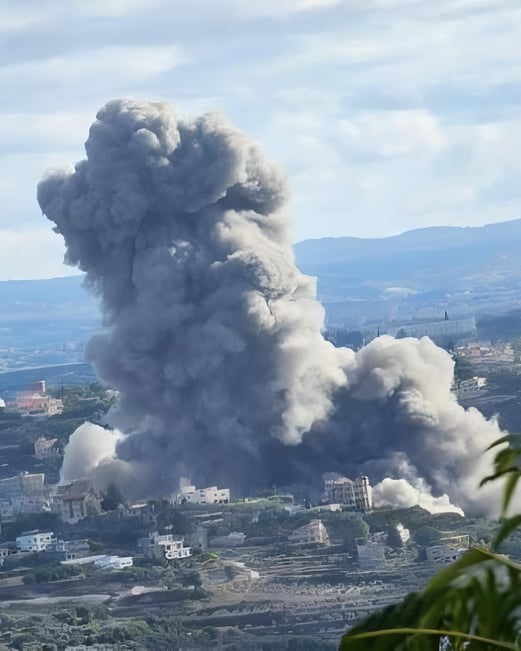
But the more recent incident of Iran’s firing of over 100 missiles directly into Israel has, for the first time, taken the conflict from proxy warfare into the realm of direct confrontation
What Triggered the Recent Escalation?
The current crisis erupted after an airstrike by Israel on an Iranian facility in Syria, which it claimed was a station for supplying armaments to anti-Israel groups.
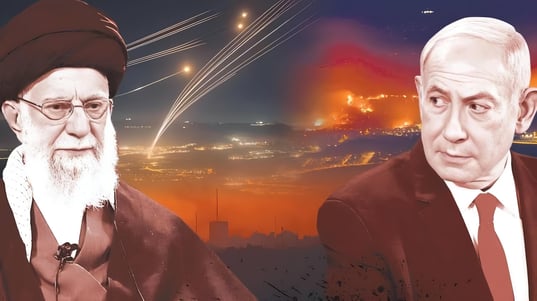
Iran reacted, firing more than 100 missiles at Israel directly, sending shockwaves around the globe. Such military confrontation is unprecedented and raises the alarm for a full-fledged conflict, triggering fears that it may unsettle the whole Middle East region.
Meanwhile, Israel is now strengthening its border security and raising its troops along the border to shelter its citizens. At the same time, however, both sides relate reports of civilian killings, building the humanitarian crisis in this area. While the world watches nervously, both nations seem reluctant to step back, notwithstanding all the calls worldwide for peace.
Global Impact of the Conflict
The effects of the Iran-Israel war reach far beyond their shores. The Middle East is a prime oil-producing region, and any instability there could have a dramatic effect on the world economy. With crude oil prices already in flux, more conflict could send prices soaring, influencing fuel prices globally.
Additionally, the possibility of the global powers of the United States, Russia, and China intervening in this war can lead to a bigger international crisis. The war is no longer a regional crisis but has become an issue of global importance.
The other significant issue at hand is the humanitarian crisis that has resulted from the war. Families in their thousands are being displaced, infrastructure demolished, and access to basic resources dwindling. International bodies are always calling upon both countries to prioritized peace and protect civilian lives


Why Should India Care?
India has very close diplomatic and economic ties with both Iran and Israel. The long war will have a negative impact on the Indian economy, particularly in terms of crude oil imports. As more than 80% of India's crude oil is from the Middle East, any hindrance would push fuel prices upward, resulting in increased transport cost and causing inflation.
Secondly, millions of Indians are living and working in the Gulf states as expatriates, whose lives and livelihood are a major priority for the Indian government. A rise in tension could risk their lives and jobs, and would impact India's foreign remittance inflow.
The rising interest of Indian netizens regarding the conflict indicates an expanding global consciousness among Indians. This also serves to point out the importance of India improving its diplomatic strategy in order to protect its people and maintain economic stability in the face of international crises.
The Role of Global Powers
The global community, including the United Nations, the United States, and the European Union, have stepped in to avert further conflict. Ceasefires are being initiated through diplomatic talks, and both nations are being urged to settle their differences amicably. Nevertheless, the entrenched animosity between Iran and Israel does not allow for an easy peaceful resolution.
For the world powers, protecting civilians and having a stable oil supply chain is still of utmost importance. One wrong move and a full-scale war is unleashed, destabilizing the entire Middle East and beyond.
Conclusion
The Iran-Israel conflict is a harsh reminder of the fragility of global peace. Its extensive economic, social, and humanitarian consequences highlight the urgency of prompt diplomatic interventions. Nations across the globe, including India, are deeply interested in the resolution of this crisis because of its potential to affect global markets and geopolitical stability.
For India, it is vital to have free oil imports, protect its expatriates, and enjoy smooth economic ties with both the countries. It is hoped that global powers will manage to persuade Iran and Israel into finding peaceful ways, ultimately securing peace and stability in the Middle East and indeed the world at large.
Your Source for Global War News
Stay informed with our comprehensive coverage of global conflicts, providing insights and analysis on the latest developments in war news around the world.


150+
20+
Trusted Source
Global Reach